.png) Halal Certified Bakery
Halal Certified Bakery HPB Healthier Choice Bakery Partner
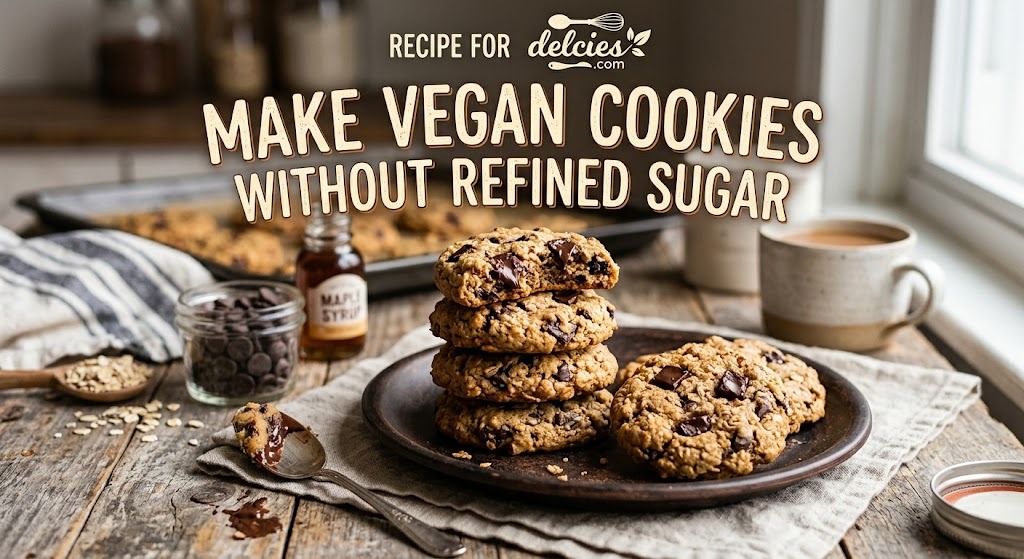
Yes, you can, and the result is usually better than people expect. The real challenge isn't whether vegan cookies without refined sugar are possible - it's getting the texture right once you've pulled out eggs, butter, and white sugar all at the same time. Most failed attempts come down to one swap done carelessly, not the whole idea being flawed.
Being honest, the first time someone mention "sugar-free vegan cookies" to anyone, it is probably pictured something dry and a bit depressing. That's not what happens when it's done with any care. Coconut sugar and dates bring their own personality to a bake, and once your taste buds adjust, plain white sugar starts to feel almost one-dimensional in comparison.
Why Skip Refined Sugar in the First Place?
Mostly it comes down to how your body processes it. Refined sugar gets absorbed quickly, which means a fast spike followed by an equally fast crash - not great if you're trying to keep energy steady through an afternoon, and worse if you're watching blood sugar for medical reasons.
Coconut sugar sits at a glycemic index around 35, compared to roughly 65 for regular white sugar. That's a meaningful gap, not a marketing footnote. Date paste, another common substitute, brings fibre and potassium along with its sweetness, things plain sugar contributes precisely none of.
There's also just... the taste. A lot of people who switch say they stop missing refined sugar within a few bakes, because the alternatives bring a rounder, slightly caramelised flavour that white sugar can't really produce on its own.
What Actually Makes a Cookie Vegan?
Strip out anything that came from an animal. For cookies, that mainly means two things: eggs and butter. Everything else in a typical recipe used for vegan cookies is usually already plant-based, or close to it.
Butter is the trickier one to replace well. Vegan butter cookies lean on coconut oil, cashew butter, or a dairy-free butter blend to mimic that rich, slightly crumbly bite shortbread is known for. Get the ratio wrong and you'll end up with something greasy or oddly flat - get it right and most people genuinely can't tell in a blind taste test.
Eggs are easier to work around. A flax egg (just ground flaxseed and water, left to thicken for a few minutes) handles binding fine in most recipes. Mashed banana works too, though it nudges the final cookie toward something softer and cakier rather than crisp.
Replacing Sugar Without Wrecking the Texture
Here's where people usually go wrong - they treat sugar like it's only there for sweetness. It isn't. Sugar affects spread, moisture, and how a cookie sets once it cools, so swapping it out changes more than flavour.
A few substitutes that hold up in practice:
- Coconut sugar, swapped roughly 1:1, keeps texture closest to a traditional cookie
- Date paste adds a deep, toffee-ish warmth, though cookies turn out denser, so a touch more raising agent helps
- Mashed banana or unsweetened applesauce work well for softer, cakier styles
- Maple syrup sweetens fast but adds liquid, so something else in the recipe usually needs trimming back slightly
None of these are interchangeable across every recipe. What works for an oatmeal cookie might fall flat in a shortbread. A bit of trial and error is just part of the process here, and honestly, that's half the fun of it once you stop expecting a perfect result on the first try.
Do These Cookies Actually Taste Good?
Different, not worse. That distinction matters. Coconut sugar carries a faint caramel note. Dates lean toffee-like. The overall sweetness is gentler too, less of that sharp sugar-hit and more of a rounded warmth sitting underneath.
People trying vegan cookies made this way for the first time are often surprised by how little they're "missing" anything. There's an adjustment period, sure - maybe two or three batches before the new flavour profile starts feeling normal instead of like a substitute. After that, going back to the original version can almost feel too sweet.
Why Not Just Bake at Home?
You can, and plenty of people do. But there's a real learning curve involved, and not everyone wants their kitchen counter covered in four failed batches before batch five finally works. If you'd rather skip the experimentation phase, it's worth looking for a bakery that specialises in allergy-conscious, lower-GI baking specifically for vegan cookies - not one that's added a single token vegan item to an otherwise ordinary menu.
That difference shows in the final product. A bakery that's spent real time refining these recipes has usually already solved the texture problems that home bakers are still working through, batch by batch.
Where Delcie's Comes In
We've spent years working through exactly this kind of recipe testing, refining plant-based and lower-GI bakes that still deliver on flavour. If you're after dependable vegan cookies Singapore can actually trust for taste and texture, our range is worth a try.